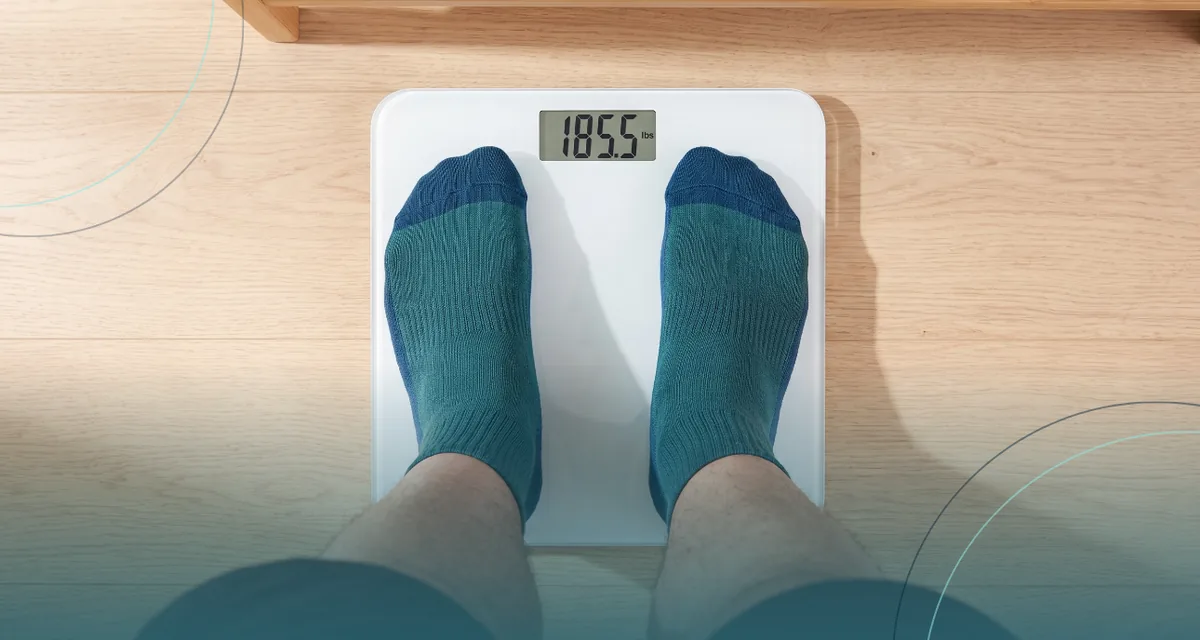
TL;DR: A weight loss plateau is common, and it does not mean you lack willpower. As you lose weight, your body tends to burn fewer calories, while hormones, sleep, and stress can slow progress further. A medically supervised program adds a clinical review of what may be driving the stall, nutrition guidance, lab review when appropriate, and, if prescribed, medication. The aim is a plan that fits your body, not another generic diet.
Hitting a weight loss plateau after weeks of steady effort can be discouraging. Struggling with stubborn weight doesn't always mean you simply need more willpower. In some cases, the issue starts deeper, at the level of how your body processes hormones, manages metabolism, and stores fat.
That is one reason medical weight loss has drawn attention from adults dealing with plateaus, slow metabolism, or the feeling that diet and exercise alone are not enough. At Ideal Wellness, we use a medically supervised approach to support metabolic function, hormonal balance, and a more personalized path to sustainable weight loss.
Why Does a Weight Loss Plateau Happen?
A weight loss plateau often happens because your body adapts. As you lose weight, you also lose some muscle, and your metabolism declines, so you burn fewer calories than you did at a heavier weight. When calories burned match calories eaten, progress stalls even if your habits have not changed.
Metabolism is not a fixed number. It is influenced by hormones, sleep, stress, and how efficiently the body burns and stores energy. When these systems fall out of balance, the body may have a harder time losing fat even when calorie intake and activity levels stay the same.
That helps explain why some adults hit a plateau despite doing everything right on paper. Research also links short sleep and long-term stress to weight gain, which can add to the challenge. Most people are not looking for a quick fix. They are trying to understand why their results have stopped matching their effort.
Why a Medical Approach Can Make a Difference
One reason medical weight loss is discussed differently from generic diet programs is the level of clinical oversight involved. With a custom weight loss program, the plan is shaped around your specific metabolic profile rather than a one size fits all approach.
A supervised program can include nutrition guidance, lab review, and, when appropriate and prescribed, GLP-1 medication or other weight loss injections. For adults who have already tried standard diets, that clinical approach can feel more practical. Instead of guessing at another meal plan, the goal is to understand what may be driving weight gain and build the plan around it.
That is also why many people look at medical weight loss results in everyday terms. They want to know whether they can feel more energetic, less hungry, or more in control during a demanding week.
What Does a Medically Supervised Program Add?
A medically supervised program adds clinical context to the effort you are already making. Instead of a fixed meal plan, your provider reviews your health history, habits, and labs when appropriate, then talks through the options that fit you and adjusts the plan as your body responds.
Online conversations about weight loss injections can get exaggerated, so the more useful approach is a realistic one. Metabolism, hormones, and body composition all tend to shift over time, and that change can affect how the body responds to diet and exercise long before someone notices obvious weight gain.
At Ideal Wellness, we use medical weight loss as part of a broader effort to support metabolic function, hormonal balance, and steadier long-term results. In daily life, that may be relevant for adults who notice that their weight feels harder to manage, their energy dips more easily, or previous diets have stopped working.
Looking Beyond Short-Term Diets
Real metabolic change is different from the temporary results people get from restrictive dieting or fad programs. Those approaches may produce a quick drop on the scale, but they do not necessarily address the hormonal and metabolic factors keeping weight on in the first place.
That distinction is part of what makes a medically supervised program appealing to patients who want lasting change rather than a short-term loss followed by regain.
Why the Metabolic Health Angle Connects
Many people who look into clinical weight loss options are not chasing a number on the scale. More often, they want more energy, better sleep, and improved overall health. In that sense, medical weight loss is often less about appearance and more about restoring day-to-day function.
Health guidance notes that even modest weight loss can help improve blood pressure, cholesterol, and blood sugar. A starting goal of 5 to 10 percent of body weight can lower the risk of obesity-related conditions such as type 2 diabetes for many people. That is why medical care for obesity focuses on health markers, not only the scale.
At Ideal Wellness, we take a closer look at what may be contributing to those struggles and whether this approach makes sense for your goals.
Is Medical Weight Loss Only About Medication?
No. Medication is one possible tool, not the whole plan. Federal guidance notes that weight management medications work best when combined with a lifestyle program, so nutrition, activity, sleep, and follow-up stay at the center. Whether medication fits is a decision you make with your provider.
Prescription options are generally considered for adults with a higher body mass index or weight-related health problems, and they are not right for everyone. Your provider will talk through the plan that fits you, including whether an approach without medication makes more sense.
What a first visit usually covers
Every plan is individual, but a first visit usually follows a similar path:
- Your history. Your weight history, past diets, health conditions, and current medications.
- Your current habits. Eating patterns, activity, sleep, and the stress in your week.
- Labs when appropriate. Your provider may recommend lab work to look at markers that can affect weight and energy.
- Plan options. A discussion of nutrition, activity, and, when appropriate, medication or other supportive therapies.
- Follow-up. Check-ins to review progress and adjust the plan as your body responds.
Who May Benefit From Medical Weight Loss?
Medical weight loss may help adults who feel stuck despite consistent effort, who regain weight quickly after dieting, or whose energy and metabolic health are slipping. It can also suit people who want a plan built on their own health picture instead of a generic program.
Most patients do not start searching for medical weight loss because they want technical information. They search because something feels off. They may feel stuck despite consistent effort, low on energy, or frustrated after repeated attempts to lose weight on their own.
For some, the main concern is breaking through a plateau. Others are more focused on energy, metabolic health, or long-term prevention. Those goals are not the same, so the treatment plan should not be either.
Some people notice they regain weight quickly after dieting, while others feel like their metabolism has slowed with age or after previous weight loss attempts. In that setting, medical support becomes relevant, since sustainable weight loss often depends on hormones, sleep, and metabolism as much as on effort.
You do not have to wait until weight gain becomes severe before asking better questions. If your results have stalled, your energy feels inconsistent, or previous diets have not worked, it may be worth looking beyond surface-level fixes.
See a doctor promptly if your weight changes quickly without a clear reason, or if weight gain comes with swelling, shortness of breath, or exhaustion that keeps you from daily activities.
Moving Past a Weight Loss Plateau With Medical Support
The most meaningful results from medical weight loss are often the ones you notice in everyday life, like steadier energy, better metabolic health, and a stronger sense of progress as the weeks go on. For adults stuck at a weight loss plateau, or discouraged by previous attempts, this type of support may be worth exploring.
At Ideal Wellness, we take a closer look at what may be contributing to those struggles and whether this approach makes sense for your goals. Ideal Wellness is on Cold Spring Lane in Roland Park, North Baltimore, just west of Charles Street and off the Cold Spring Lane exit of I-83.
If you are ready for a weight plan built around your labs, schedule an appointment with Ideal Wellness to discuss your options.
Frequently Asked Questions
Medical weight loss is a weight management approach guided by a medical team rather than a generic diet. It usually starts with a review of your health history, habits, and lab work when appropriate. The plan that follows may include nutrition guidance, activity changes, follow-up visits, and, when prescribed, medication.
A plateau often happens because your body burns fewer calories as you lose weight. Common next steps include reviewing how much you eat, adding activity or strength training, and improving sleep and stress habits. If progress stays stalled, a medical review can look for other factors, such as hormones or medications, that may be slowing results.
It depends on your health, goals, and history. Medical weight loss may be worth considering if you have tried standard diets without lasting results, regain weight quickly, or have weight-related health concerns. A consultation can help you decide whether a supervised plan fits your needs.
No. GLP-1 medication is one possible tool, and it is only used when appropriate and prescribed. Many plans center on nutrition, activity, sleep, and regular follow-up. Your provider will talk through whether medication makes sense for you.
Even modest weight loss can help. Health guidance often suggests a starting goal of 5 to 10 percent of body weight, which can improve blood pressure, cholesterol, and blood sugar and lower the risk of type 2 diabetes for many people. Results vary from person to person.
Ready to take the next step?
Schedule an appointment with our Baltimore team, or explore the service behind this guide.