Peripheral neuropathy means the nerves beyond the brain and spinal cord are damaged, often showing first as numbness, tingling or burning in the feet or hands. Diabetes is the leading cause in the United States, among many. At Ideal Wellness on Cold Spring Lane in Baltimore, care looks for the root cause first, and laser or chiropractic care may follow.
When Your Feet Stop Feeling Like Your Own
It often starts quietly. Your toes feel numb in the morning, or the bedsheets seem to burn against your feet at night. Later you notice you are watching your feet on the stairs.
Many different conditions can harm nerves, so the first step is finding out which one is behind yours. That answer shapes the plan, and it often means working with your own doctor as well.
Understanding Peripheral Neuropathy
Peripheral neuropathy is the name for many conditions that damage the peripheral nerves, the network that carries signals between the brain and spinal cord and the rest of the body. The National Institute of Neurological Disorders and Stroke counts more than 100 types, and the symptoms depend on which nerves are hurt.
Three kinds of nerves can be involved. Sensory nerves carry touch, temperature and pain, and harm to them can cause tingling, numbness or trouble sensing where your feet are. Motor nerves move your muscles, so damage there can cause weakness, cramps or twitching. Autonomic nerves handle automatic jobs such as sweating, digestion and blood pressure.
Most neuropathy shows up first, or worst, in the feet, where the nerve endings sit farthest from the brain. In severe cases it can creep upward. Sometimes only a single nerve is involved, as in carpal tunnel syndrome of the hand and wrist.
Symptoms may build over days, weeks or years, and they range from mild to severe.
Common Causes of Nerve Damage
Diabetes
Diabetes is the leading cause of peripheral neuropathy in the United States. About two thirds of people with diabetes have mild to severe nerve problems.
Injury and pressure on a nerve
Car accidents, falls and sports can damage nerves. So can a slipped disc pressing where a nerve leaves the spine, steady pressure from a cast, or forceful motions repeated over and over.
Vitamin imbalances and alcohol
Low vitamin B12 and too much vitamin B6 are the best-known vitamin causes. Heavy drinking can damage nerves as well.
Autoimmune disease
In autoimmune disease, the immune system can attack nerves directly, or the tissue around a nerve can press on it.
Infections
Infections that can damage nerves include shingles, Lyme disease and HIV.
Chemotherapy and other medicines
Some cancer drugs cause neuropathy, and it can last long after treatment ends. Certain drugs for HIV, the heart, infections and seizures can occasionally cause it too. Talk with your doctor before you stop any medicine.
Kidney and liver disorders
These can leave toxins in the blood that damage nerve tissue.
Sometimes no cause is found at all, which doctors call idiopathic neuropathy.
How We Approach Neuropathy at Cold Spring Lane
Neuropathy care starts by looking for the root cause, and a cause such as diabetes or low vitamin levels also needs your own doctor. Depending on your condition, our evaluation may lead to a recommendation for Class IV laser therapy, chiropractic care or both.
Class IV laser therapy
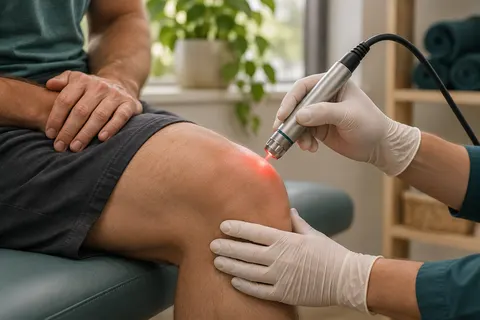
Our Class IV laser is handheld and noninvasive, and it delivers light to the area being treated. Its listed uses include peripheral neuropathy: nerve pain, and numbness, tingling or burning in the hands and feet.
Before treatment, we review your health history, including pregnancy, medicines and any implanted device, to decide whether you are a candidate. Let us know if the area to be treated is numb. Learn about Class IV laser therapy for nerve pain.
Chiropractic care
Once the root cause has been looked at, spinal adjustment is one strategy a chiropractor may use. Read about chiropractic care at our Roland Park clinic.
Our chiropractic team first weighs whether gentle chiropractic treatment suits your condition. Numbness, tingling and weakness are checked with orthopedic and neurologic tests to help isolate the cause.
Your Doctor and a Neurologist
Your primary care doctor can also check numbness, tingling or nerve pain, and may send you on to a neurologist, a specialist in the nervous system.
Diagnosis can involve blood tests for diabetes and vitamin levels, a neurological exam of touch, vibration and temperature, and nerve conduction studies with electromyography. Care at our clinic can be combined with that medical work. If you need care our team does not provide, we can point you to another provider.
When Neuropathy Needs Emergency Care
Tingling or weakness that moves quickly, or climbs upward from the feet, needs 911 or the ER. So does trouble catching your breath or choking on saliva. These may point to Guillain-Barre syndrome, an uncommon nerve disorder that can worsen quickly.
Sudden numbness or weakness on one side of the face or body, or sudden confusion or trouble speaking, also needs 911.
Get prompt medical care for hand or foot tingling, weakness or pain that is new, and for any blister, cut or sore on a numb foot.
Visiting Us Near Guilford and Homeland
Ideal Wellness is at 220 W Cold Spring Ln, Baltimore, MD 21210, in Roland Park, minutes from Guilford, Homeland and Evergreen. Parking is on site in our lot, and visits are available on every weekday.
Call (443) 396-3876 or request a neuropathy evaluation. Neuropathy care is also offered at our second clinic, through neuropathy treatment in Towson.
Common symptoms
- Numbness, tingling or prickling in the feet or hands
- Burning, stabbing or shooting nerve pain
- Pain from a light touch, such as bedsheets
- Nerve pain that is worse at night
- Muscle weakness or painful cramps
- Poor balance or trouble with buttons
- Sweating too much or too little
- Digestive trouble or dizziness when you stand