Sciatica is pain, numbness, tingling or weakness along the sciatic nerve, which runs from the lower back down each leg. It is a symptom of another problem, most often a disc or a narrowed spinal canal. At Ideal Wellness on Cold Spring Lane in Baltimore, care may include adjustments, spinal decompression, Back on Trac and guided stretching.
Following the Path of the Pain
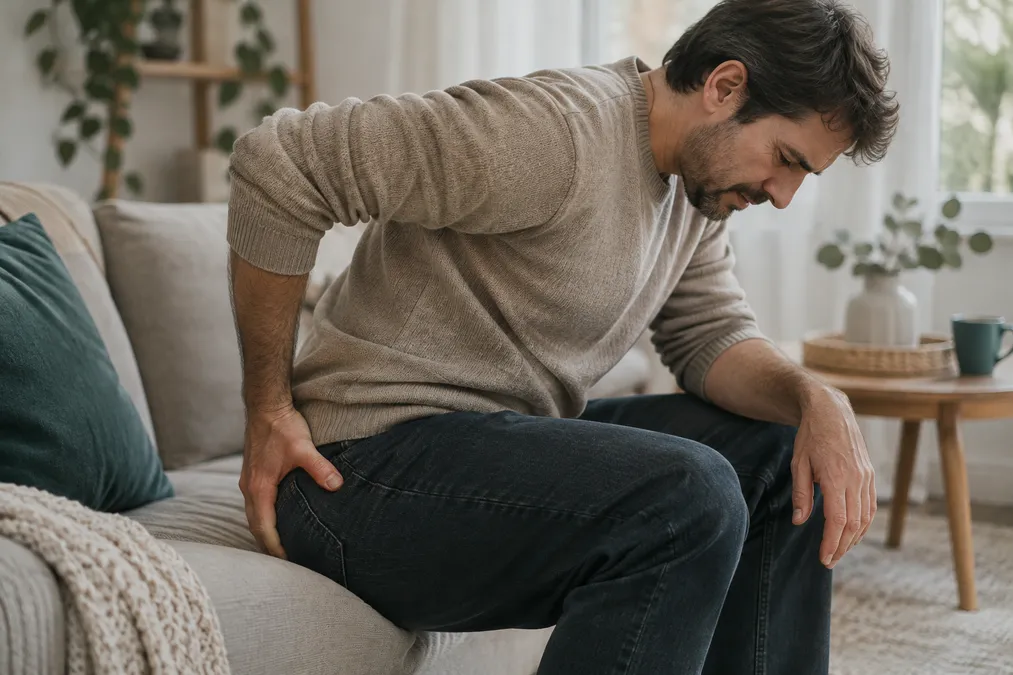
Sciatica tends to show up on one side of the body. It can start in the low back or buttock and run down the thigh into the calf or the sole of the foot. For some people it is a mild tingle. For others it is severe enough to make moving hard.
A sneeze, a laugh or an hour in the driver’s seat can set it off. Where the pain travels, and what makes it worse, gives our team its first clues.
Understanding Sciatica and the Sciatic Nerve
Sciatica is pain, weakness, numbness or tingling in the leg caused by pressure on, or injury to, the sciatic nerve. MedlinePlus describes sciatica as a symptom of another medical problem, so care aims at finding what is pressing on the nerve.
The sciatic nerve starts in the lower back and runs down the back of each leg. It controls muscles behind the knee and in the lower leg.
It also carries feeling from the back of the thigh, the outer and back part of the lower leg and the sole of the foot. That is why trouble with this nerve can show up as pain, numbness or weakness in different spots.
Sciatica is more likely in men between 30 and 50. Hours of sitting or driving, extra body weight, diabetes and smoking can add to the risk.
Common Causes of Sciatica
A herniated disc
A disc between two vertebrae can slip or herniate and press on a nerve root. Disc pain often flares with sneezing, coughing or laughing.
Spinal stenosis
The spinal canal narrows and crowds the nerves. Pain from stenosis tends to get worse when you bend backward or walk more than a short distance.
Piriformis syndrome
The piriformis is a narrow muscle in the buttock. Piriformis syndrome is a pain disorder involving that muscle, and it can cause sciatica.
Spondylolisthesis
One bone of the spine slips out of position and can press on the nerve.
Pelvic injury
An injury or fracture of the pelvis can affect the nerve too. Tumors are a rarer cause.
How We Treat Sciatica on Cold Spring Lane
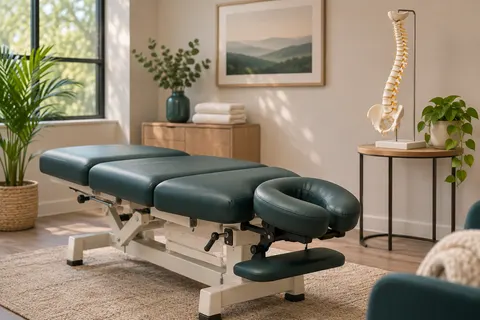
Sciatica care depends on what is irritating the nerve. Our chiropractic team starts with your history and a physical assessment, then may suggest one or more of these services, depending on your condition and what the evaluation finds.
Chiropractic adjustments
A complete evaluation looks for the source first. Careful spinal adjustments may follow if they suit your condition. Explore chiropractic care for sciatica.
Spinal decompression
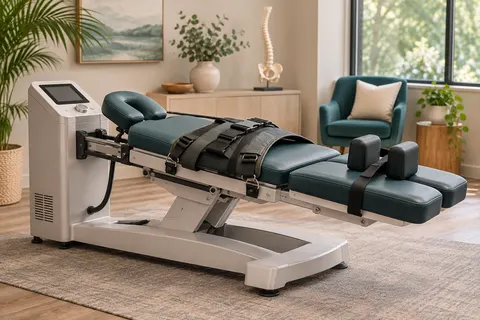
Decompression gently lengthens the spine, aiming to ease pressure on the nerve roots, and a sciatica plan may combine it with stretching. Our Roland Park clinic has a decompression table. See spinal decompression for nerve pain in the leg.
Back on Trac
Back on Trac is a machine that offers another form of spinal decompression. It can be added to a sciatica plan, and it is on site at Cold Spring Lane. Read about Back on Trac for sciatica.
Stretching with our rehab team
Stretching may be part of a sciatica plan, guided by chiropractic assistants on our team. Learn more about guided rehab exercise for the low back and legs.
Before gentle chiropractic treatment, our chiropractic team checks whether you are a candidate. Numbness, tingling or weakness in the leg is screened with orthopedic and neurologic testing to pin down the cause.
When Sciatica Is an Emergency
Go to the emergency room now if sciatica affects both legs, if the area around your genitals or bottom goes numb, if both legs grow weak or the weakness keeps worsening, or if you lose control of urine or stool. These can signal a serious back problem that needs hospital care quickly. Do not drive yourself.
Contact a provider right away for sciatica with an unexplained fever, pain after a severe blow or fall, or new weakness or numbness in the buttock, thigh, leg or pelvis. Call too if an episode has lasted longer than 4 weeks, or feels different and worse than earlier ones.
Sciatica can lead to lasting numbness or weakness of the leg, so new weakness is worth acting on.
A Sciatica Visit in Roland Park
Our clinic is at 220 W Cold Spring Ln, Baltimore, MD 21210, with on-site parking in our lot. Mount Washington is a short drive away, and the Cold Spring Lane exit of I-83 brings you close.
Sciatica visits are available Monday through Friday, with appointments until 7 PM from Monday to Thursday. Call (443) 396-3876 or book a sciatica evaluation. Our second clinic treats sciatica too; see sciatica treatment in Towson.
Common symptoms
- Pain that runs from the low back down one leg
- A mild tingle, a dull ache or a burning feeling
- Sharp pain in one spot of the leg with numbness elsewhere
- Pain at the back of the calf or the sole of the foot
- Pain that flares when you sneeze, cough or laugh
- Pain that worsens after standing or sitting
- A weak leg, or a foot that catches when you walk